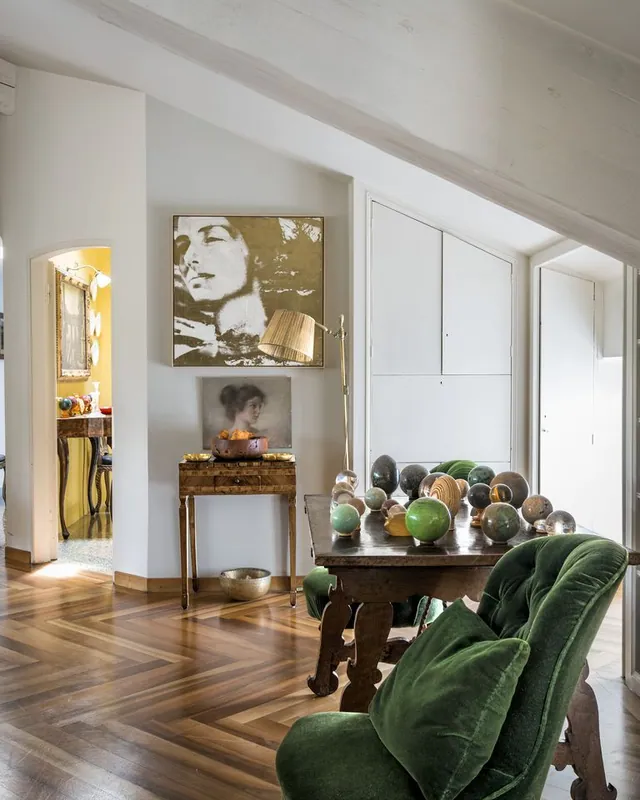
Cozy Winter Decor Ideas That Last Past the Holidays
Winter decor that still feels right in February: warmer bulbs, heavier fabrics, draft fixes and a few greens, without turning your home into a holiday aisle.

The quickest way to make a home feel cozy in winter is to change the light bulbs. Not the decor. The bulbs.
Most of what people call “cozy” comes down to warm, low light from several sources, fabrics you want to touch, and a room that isn’t drafty. Ornaments and garlands help for a few weeks, but they come down in January, and January is when you need this most. So this list sticks to winter decorating ideas that work from late November until the first warm weekend in spring.
Swap to warmer, dimmer light
Check the color temperature on your bulbs. It’s printed on the box in Kelvin. For evenings in winter, 2700K is the warm-white sweet spot, and 2200K to 2400K gives the amber glow of an old-fashioned bulb, nice for a reading lamp or a pendant you only use at night. Anything 4000K or higher reads as cool daylight and makes a living room feel like an office after dark.
Then turn off the overhead light. Ceiling fixtures throw flat light from above, which is exactly what makes a room feel cold. Instead, aim for three or four lamps at different heights: a table lamp beside the sofa, a floor lamp in a corner, maybe a small lamp on a bookshelf or kitchen counter. Plug-in dimmers ($10 to $20) and smart plugs let you control all of them without rewiring anything, which matters if you rent.
We go deeper on this, including how many lumens a room needs, in our living room lighting guide.
Change the fabrics, not the furniture
Winter is about weight and texture. A few swaps make a bigger difference than buying anything new for the walls.
Throws. One good chunky wool or wool-blend throw beats three thin fleece ones. Lay it over the arm of the sofa where people actually sit. Price-wise, budget wool-blend throws start around $40, and pure wool or alpaca runs $80 to $200.
Pillow covers. Rather than buying new pillows, buy covers and reuse your inserts. Look for corduroy, bouclé, wool plaid or brushed cotton. Covers in the $15 to $30 range are easy to find, and they store flat in summer.
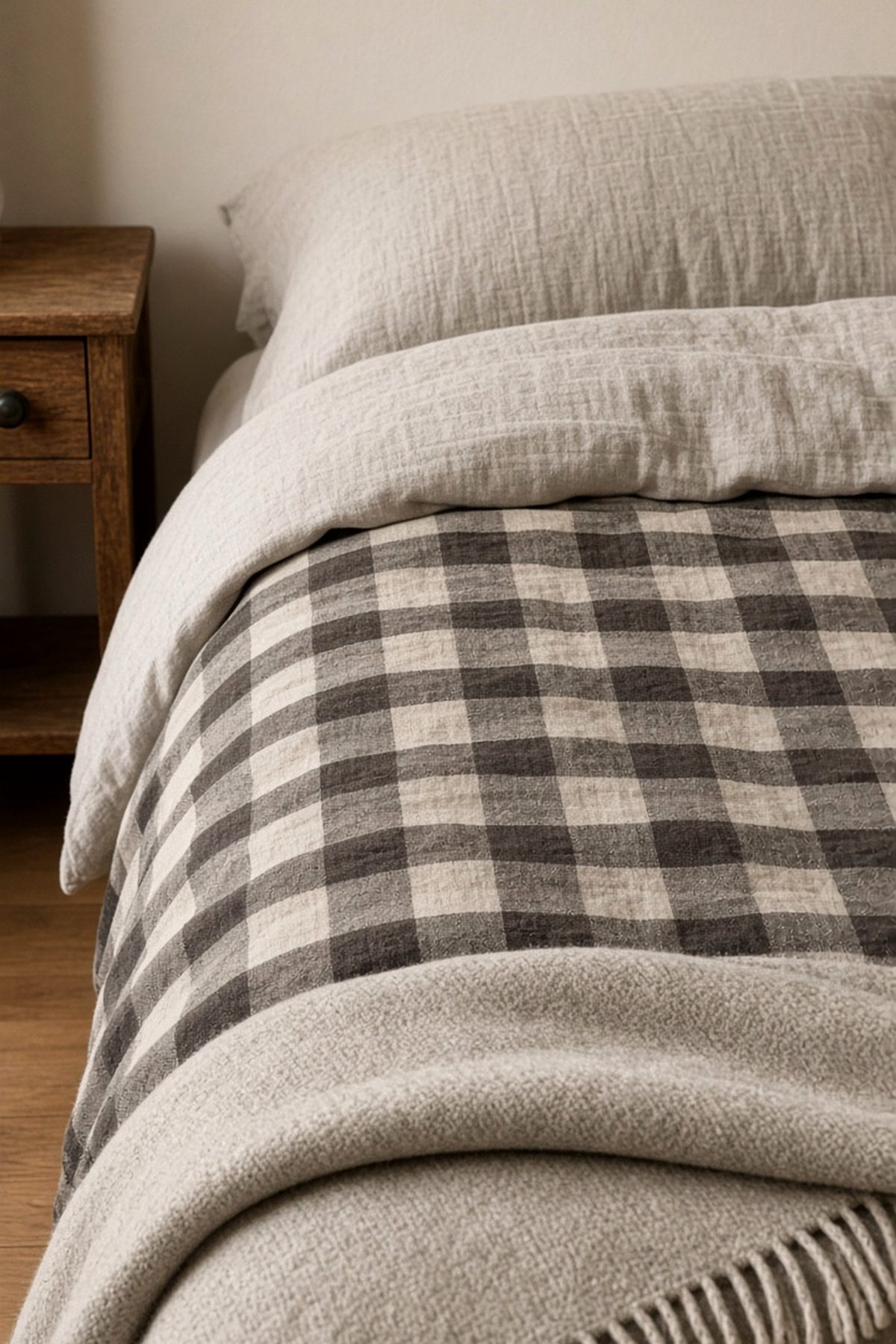
Bedding. Flannel sheets are one of the best winter upgrades you can make. With flannel, ignore thread count; quality is measured by fabric weight. Look for at least 5 ounces per square yard (about 170 GSM). Six ounces is warmer and heavier, which is great in a cold bedroom and too much in an overheated one. Add a wool blanket folded at the foot of the bed for the coldest nights instead of buying a heavier duvet.
Rugs. Cold floors make a whole room feel colder. If you have hard floors, a wool rug or even a thick washable runner along the path from bed to bathroom is worth it. Our rug size guide will help you pick a size that doesn’t look lost.
Fix the drafts first
No amount of styling makes a drafty room feel cozy. A few cheap fixes, all renter-safe:
- Thermal or blackout-lined curtains on the coldest windows. Hang them so they reach the floor and extend past the window frame on both sides; more fabric over the glass means less cold air reaching the room. Our curtain hanging guide has the measurements.
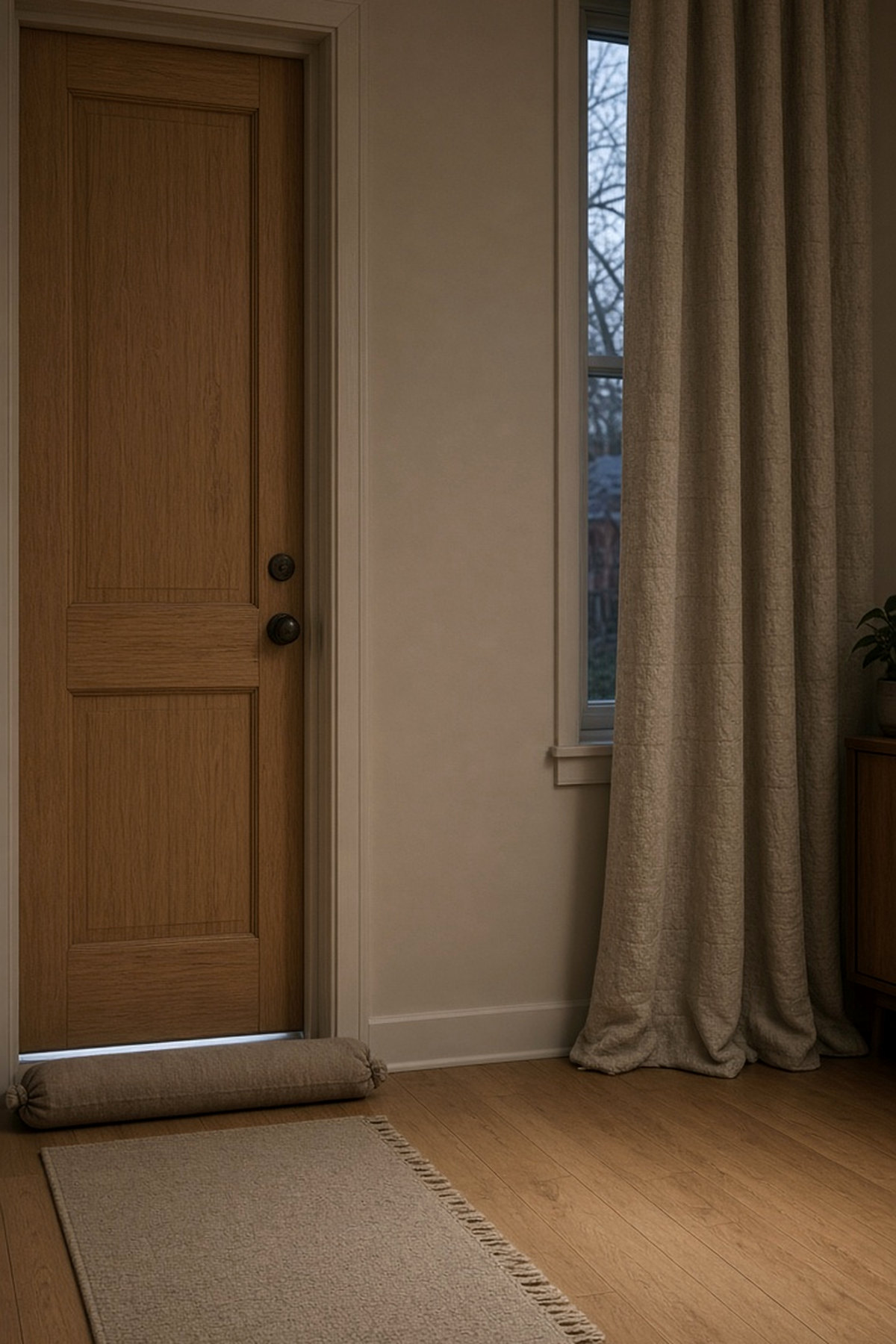
- A door draft stopper at the bottom of exterior doors or a drafty balcony door. Fabric ones cost $10 to $25 and work immediately.
- Removable window insulation film for single-pane windows. It’s applied with double-sided tape and shrunk tight with a hair dryer, and it peels off in spring. It’s not pretty up close, but you stop noticing it once the curtains are drawn.
Bring in winter greenery
A big jug of cut evergreens does more than a dozen small decorations. Cedar, pine, eucalyptus and juniper all last a good while in water, and eucalyptus dries well so you can leave it out for weeks. A grocery store bunch is often under $15. Put it somewhere you look every day, like the kitchen table or the entry console.
Faux stems are fine too, especially for renters with cats (some evergreens and lilies are not pet-friendly, so check the ASPCA’s plant list before bringing cuttings home). The trick with faux is quantity and restraint at the same time: one big, loose arrangement looks more real than lots of small ones.
Paperwhites and amaryllis bulbs are another winter favorite. They flower indoors in January and February when nothing else is blooming.
Candles, safely
Candlelight is the backbone of hygge, the Danish idea of everyday coziness that took over winter decor years ago. Real candles are lovely; just follow the basic rules from the National Fire Protection Association: keep them at least 12 inches from anything that can burn, use sturdy holders and blow them out when you leave the room or go to sleep.
If you have pets, kids or a tiny space with curtains everywhere, good flameless LED candles are a sensible swap. Look for ones with a warm (not white) LED and a timer, so they come on at dusk by themselves.
And if you use a space heater to take the edge off a cold room, keep anything that can burn, throws included, at least 3 feet away from it.
Make one corner the coziest spot in the house
Rather than trying to make every room cozy, pick one spot and go all in. A chair near a window, a reading lamp at shoulder height, a side table big enough for a mug and a book, a throw and a small basket. That’s it. Everyone in the house will end up there.
If you don’t have room for an extra chair, the same idea works at one end of the sofa or on a window seat with a firm cushion. Our older post on simple home decor ideas has a few more ways to carve out a reading nook.
Edit the summer stuff
This one costs nothing. Put away the things that say “July”: the bright beach-print pillow, the bowl of shells, the linen throw that never quite felt warm. Store them in a labeled bin and bring them back in April. A room with fewer, heavier pieces feels calmer, and calm is a big part of cozy.
Scent and sound, quietly
Cozy is partly what you smell and hear. A simmer pot of orange peel, cinnamon and cloves on the stove makes the kitchen smell like winter without a candle. Keep a playlist low in the background in the evenings. Small things, but they’re what people remember about a warm house.
What to skip
- Cool-white LED string lights, which look clinical. If you use string lights, choose warm white.
- Faux fur on everything. One faux-fur pillow is cozy. A faux-fur sofa throw, pillow and rug is a lot to vacuum.
- Big seasonal purchases you’ll only use for six weeks. If it doesn’t work in February, think twice in November.
The goal is a home that feels good to come back to on a dark 5 p.m. evening. Warm bulbs, heavy fabrics, no drafts, and something green. Start there and add the festive bits on top for December.